
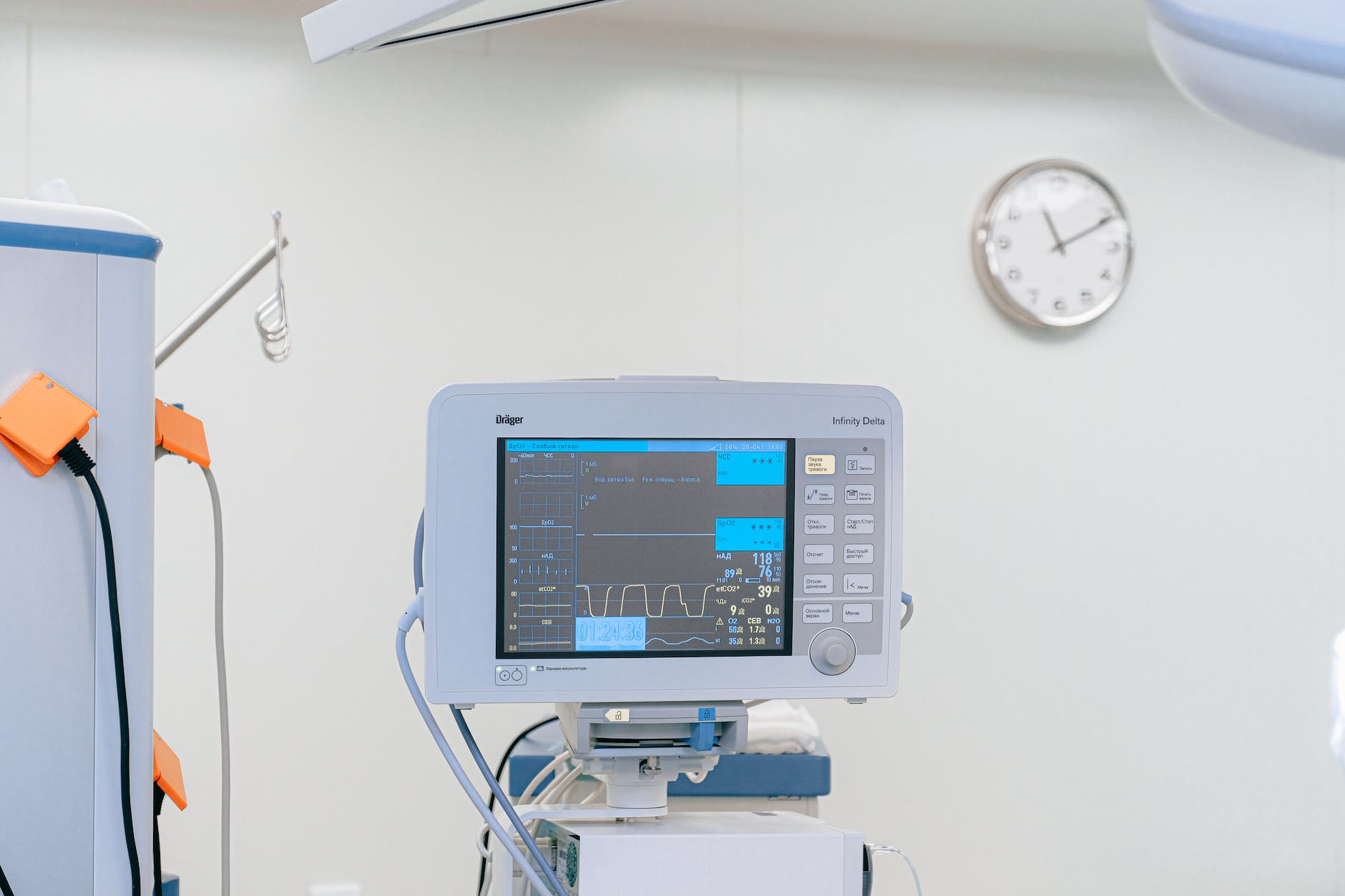
The medical device industry is an important and highly regulated industry within the health care sector. One critical area to this industry is microbiology, which ensures the safety, efficacy, and sterility of medical devices. As an aspiring professional in the field, it is essential to understand how microbiology plays a significant role in this industry. This post will provide a summary of the fundamentals you need to know.
What is Microbiology in Medical Devices?
Microbiology is the scientific study of microorganisms. In the medical device industry, microbiology deals with the prevention, detection, and control of microbial contamination in medical devices during various stages of product development, manufacturing, and distribution.
Why is Microbiology Important in Medical Devices?
Microbiology is essential in medical devices as it helps determine the safety and efficacy of medical products. Contamination with microorganisms in medical devices can lead to adverse health effects on patients, which can be life-threatening. Therefore, microbiologists work to prevent and reduce microbial contamination in medical devices and ensure that they meet regulatory requirements, such as those set by the US Food and Drug Administration (FDA) and international standards, as for example, those established by the International Standard Organization (ISO).
Microbiology Techniques Used in Medical Devices
Various microbiology techniques are used in medical devices to prevent and control microbial contamination. These include bioburden testing, sterilization validation testing, environmental monitoring, and endotoxin testing. Bioburden testing involves assessing the microbial load of a product, while sterilization validation testing confirms that a device is free of viable microorganisms after undergoing sterilization processes. Endotoxin testing ensures that there are no bacterial endotoxins in the final product, while environmental monitoring monitors the microbial levels in the device manufacturing environment.
Microbiology Careers in the Medical Device Industry
There are various microbiology career paths in the medical device industry, including microbiologists, quality control analysts, validation specialists, quality assurance, and regulatory affairs specialists, among others. These professionals ensure that medical devices are safe, effective, and meet regulatory requirements. They work to prevent microbial contamination, ensure sterility, and provide data to regulatory bodies to approve medical devices for sale.
How to Start a Career in Microbiology in the Medical Device Industry
To start a career in microbiology in the medical device industry, you need to have a degree in microbiology or a related field. You can also gain practical experience through internships, research projects, and job shadowing. You should also stay updated with the latest microbiology technologies, trends, and regulations. Additionally, obtaining certifications from relevant professional organizations, such as the American Society of Microbiology, can be beneficial in advancing your career in this field.
In conclusion, Microbiology is a critical component of the medical device industry, ensuring the safety, efficacy, and sterility of medical devices. As an entry-level professional looking to work in this industry, it is important to understand the role of microbiology and how it applies to medical devices. With the education, practical experience, training, certifications, and knowledge of regulations, you can build a rewarding career in microbiology in the medical device industry.
 The Life Sciences Industry