
Neurodegeneration and neurodegenerative diseases: the basics – Dementia, Alzheimer’s, and Parkinson’s disease
Dementia, Alzheimer, and Parkinson are diseases with an increased prevalence in recent years. It is noticed that more adults are being diagnosed with any of these conditions. You may know of someone, a family member, relative, neighbor, or a friend who has been diagnosed with dementia, Alzheimer’s, or Parkinson disease. What do they have in common? They are classified as neurodegenerative diseases.
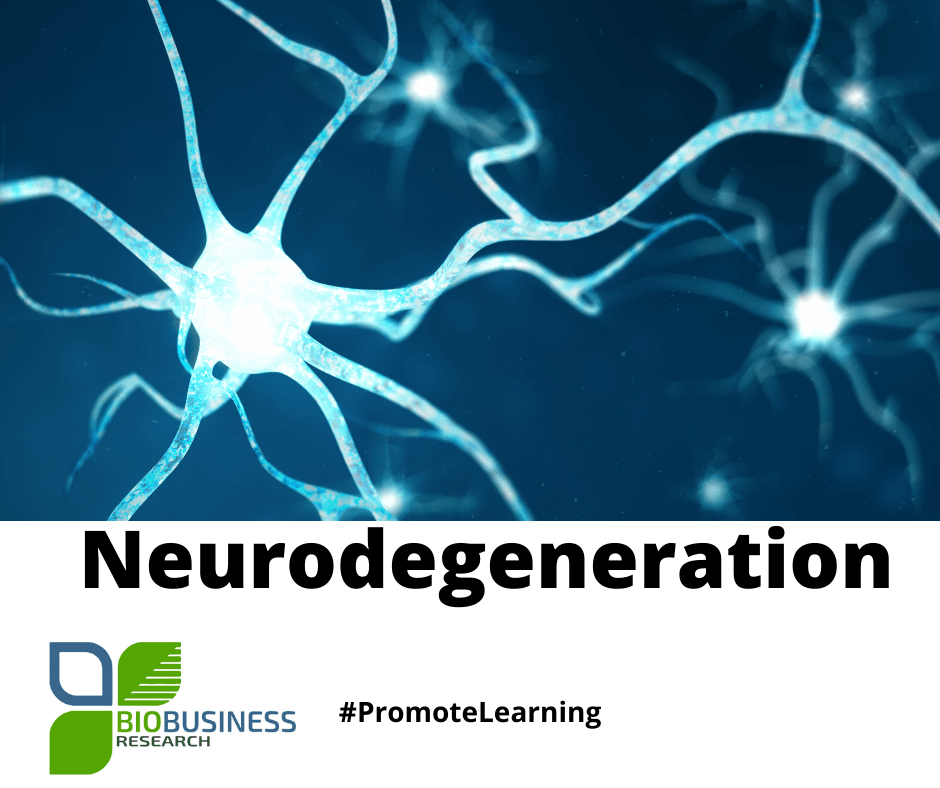
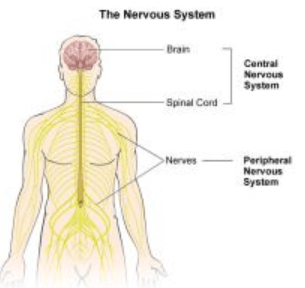
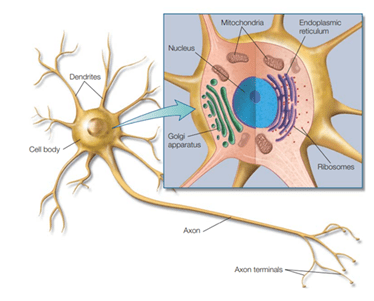
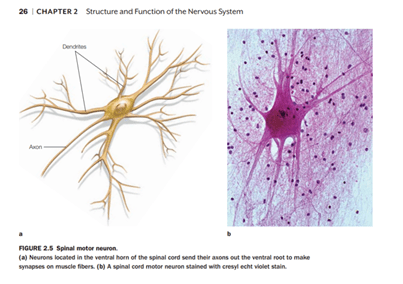
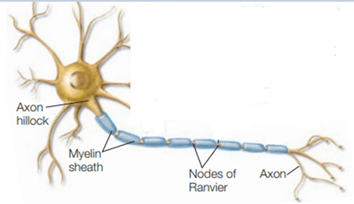
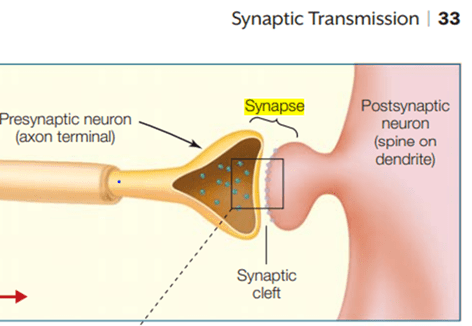
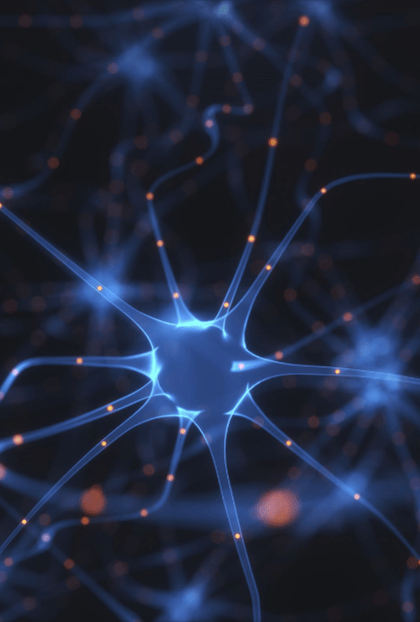
What is neurodegeneration? Basically, the term neurodegeneration is a combination of two words: “neuro,” refers to nerve cells or neurons, and “degeneration,” referring to a progressive damage, or the process of losing structure or function. Neurons are the cells within the nervous system, the basic working unit of the brain. They are designed to transmit information to other nerve cells, muscle, or gland cells. The brain performs all its activity because of the structural and functional properties of millions of interconnected neurons.
Therefore, using a clinical terminology, neurodegeneration is associated to any pathological condition affecting primarily neurons. The term applies to hundreds of different disorders that result in the loss of nerve structure and function. Among the most recognized conditions are Alzheimer’s disease (AD), Parkinson’s disease (PD), and Huntington’s disease (HD).
The most consistent risk factor for developing a neurodegenerative disorder is increasing age. Life expectancy increased due medical advancements, and education that improved health and lifestyles. People are living longer, therefore, the proportion of persons suffering from some type of neurodegenerative disorder increased.
Drugs may alleviate symptoms but do not necessary stop the progression of the degenerative process. More research is needed to allow scientists to translate research findings into therapies.
Researchers are working to identify the causes and mechanisms why neurons are damaged or die in neurodegenerative diseases. For example, neurobiologists and neuroscientists goals are focused to identify neurobiological processes that, when disrupted, has a role in neuronal dysfunction, alternation of circuits and degeneration. Through a better understanding of the causes for neurodegeneration, more effective therapeutic strategies will be available to control or prevent the diseases.
Sources:
https://www.ninds.nih.gov/About-NINDS/Who-We-Are/NINDS-Organization/Neurodegeneration

 The Life Sciences Industry